the louw family story
a legacy of winemaking
In 1982, a 22-year-old Johannes Louw recognized the exceptional potential of this land and its rich soils, and purchased the farm. Today, the estate spans around 100 hectares of vineyards, featuring Sauvignon Blanc, Pinotage, Cabernet Sauvignon, and a small block of Pinot Noir.
After years of cultivating high-quality grapes, the Louw family launched their own wine label in 2010. Over the past decade, their wines have earned recognition in numerous national and international competitions.
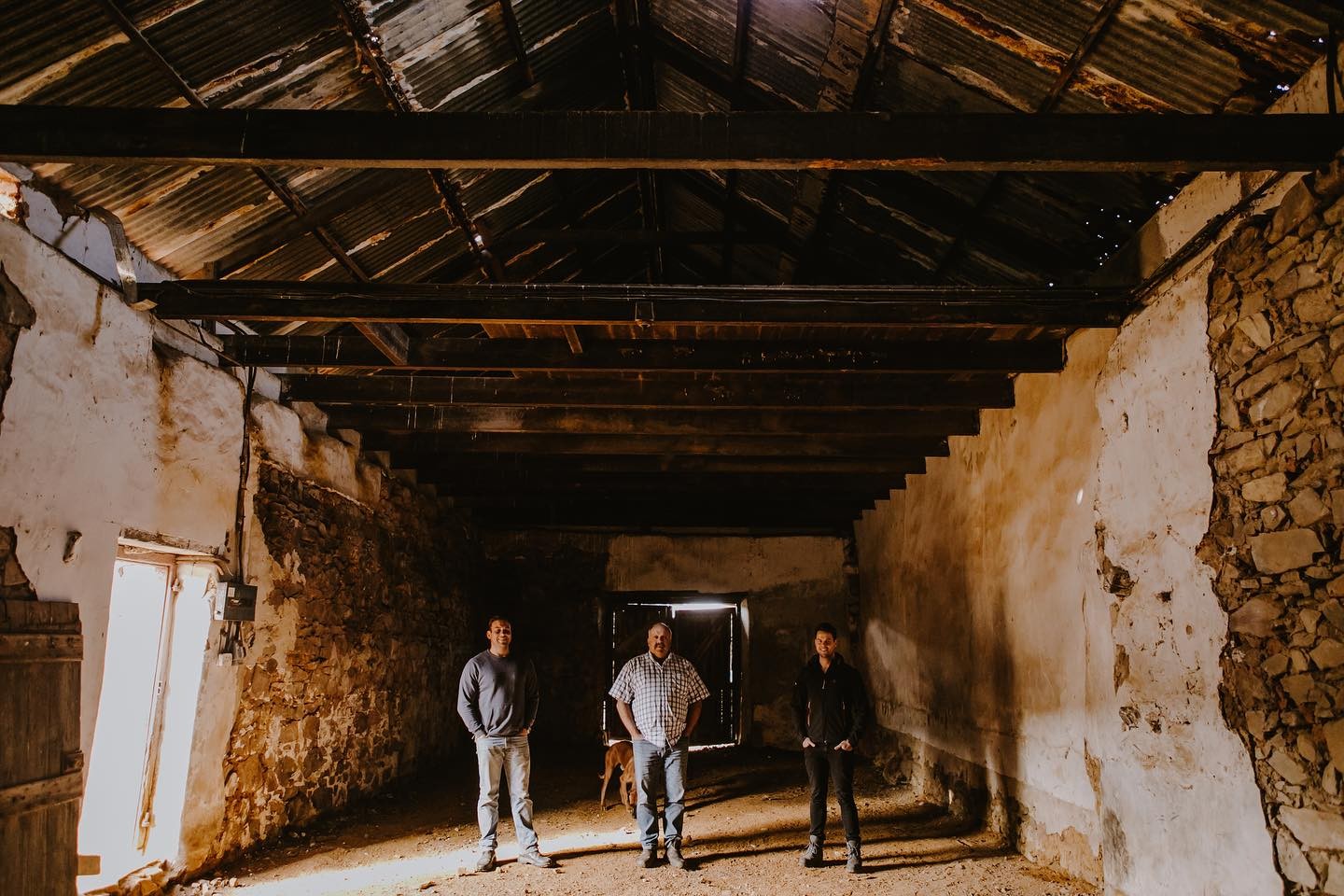
Johannes’ son, Thys, joined the farm in 2015 after completing a business degree at the University of Stellenbosch. Driven to deepen his understanding of winemaking and marketing, he traveled to St. Émilion in Bordeaux and Napa Valley in California, gaining insight into international wine practices.
Maastricht Wines remains a true family venture. Thys’ wife, Melanie, oversees the tasting room, hospitality, and private functions, ensuring every visitor experiences the warmth and passion behind the wines.

character of durbanville terroir
winemaking at maastricht
Nestled in the rolling hills of the Durbanville Wine Valley, Maastricht enjoys breathtaking views of Cape Town and the Atlantic seaboard. Just 10km from the ocean, cooling sea breezes help preserve the natural acidity of the grapes, while the clay-rich Tygerberg soils retain vital winter rainfall, creating ideal growing conditions.
Our vineyards are carefully managed by the Louw family and their long-standing team, whose deep knowledge of the land guides every decision. Each harvest, select vineyard parcels are chosen to craft wines that express the distinctive character of Durbanville terroir – from vibrant, fruit-driven whites to elegant, well-balanced reds.
At harvest, every vineyard is closely monitored to determine the optimal picking time. Combining generations of experience, exceptional growing conditions, and modern winemaking techniques, we create wines that reflect both our unique location and commitment to quality.
the story of maastricht
our history
The story of Maastricht dates back to 9 February 1702, when the farm was granted to Hendrick Seeger, a Dutch settler with the Dutch East India Company. Drawn to the fertile clay soils and rolling hills of the Tygerberg region, the settlers named the estate after the Dutch city of Maastricht, which the landscape reminded them of.
Although the original farmhouse was lost to fire in the early 1900s, parts of the current homestead date back to the 1920s, with each generation of owners adding to the estate’s character and heritage
One of Maastricht’s most iconic features is the ancient oak tree avenue, believed to have been planted in the 1700s by a Dutch monk. Arranged in the shape of a cross, these trees once marked a place of reflection and ceremony, and still stand today as a living link to the past.
Historical records show that Maastricht was among the first farms in the region registered as a wine producer during the early 19th century, when the Tygerberg Valley became an important agricultural hub.
Today, over 300 years later, Maastricht continues this legacy — rooted in history, shaped by the land, and expressed in every bottle we produce.